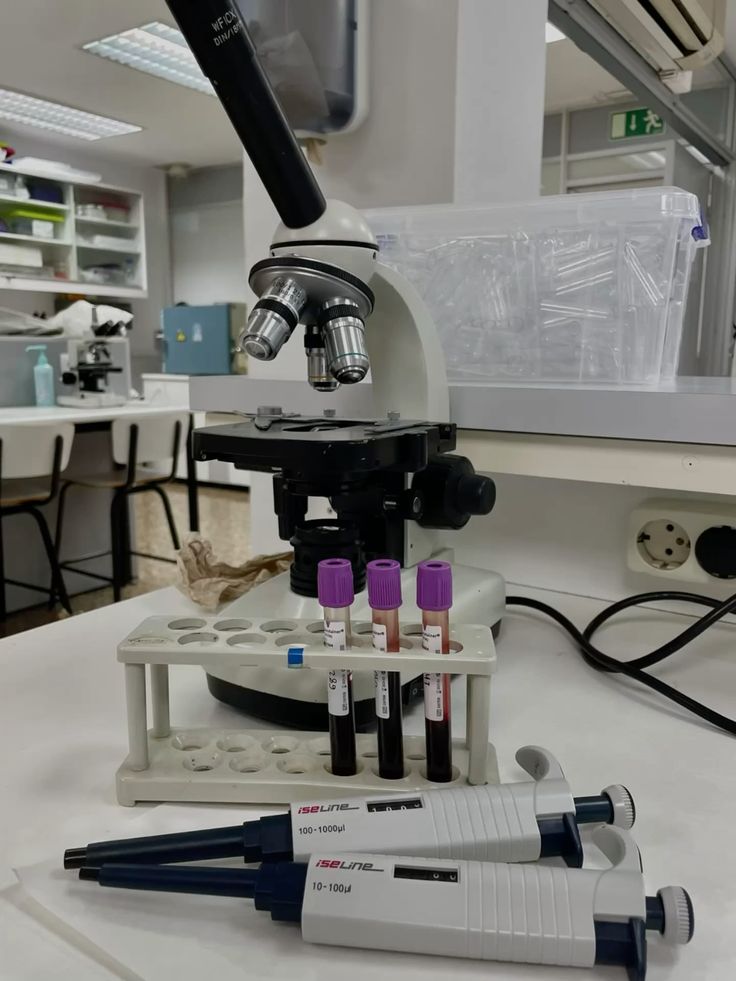
Featured Academy lesson · Foundations of Hematology
Introduction to Hematology
This is the first live lesson in the foundational course, the clearest place to begin before morphology and disease modules.
Academy · Hematology
Study Hematology as a Medical Laboratory Science course covering blood-cell development, morphology, hemostasis, and laboratory interpretation through structured Academy lessons.
Discipline orientation
Hematology teaches how to read blood-cell findings with laboratory discipline. This specialty develops the ability to interpret CBC patterns, morphology, and hemostasis findings, and to connect them to clinical context without overclaiming diagnosis.
The Academy pathway moves from foundations and hematopoiesis into cell-line recognition, then disease modules and laboratory quality. Begin with foundational courses before advanced interpretation.
Recognize white cells, red cells, and platelets on reports and on the peripheral smear.
Read counts, differentials, and analyzer alerts the way the hematology bench uses them.
Connect coagulation findings and hematologic patterns to cautious clinical correlation.
Recommended starting point
Featured Academy lesson · Foundations of Hematology
This is the first live lesson in the foundational course, the clearest place to begin before morphology and disease modules.
Course catalogue
Courses appear in study order. Available lessons are linked; planned lessons remain visible so you can see the full pathway.
Courses follow the recommended study order.
Course 1
Introduction to laboratory hematology, blood composition, function, formed elements, hematopoiesis, and bone marrow correlation.
Requires: Introduction to Hematology
Requires: Composition of Blood
Requires: Major Functions of Blood
Requires: Blood Cells and Plasma Overview
Requires: Introduction to Hematopoiesis
Course 2
Physical and cellular composition of blood, plasma, formed elements, and proportional relationships in health.
Complete first: Foundations of Hematology
Planned course
Lessons in this course are not open yet.
Requires: Introduction to Hematology
Requires: Blood Composition Overview
Requires: Blood Composition Overview
Course 3
Blood cell production from hematopoietic stem cells through lineage-specific maturation, erythroid, granulocytic, monocytic, lymphoid, and megakaryocytic pathways.
Complete first: Foundations of Hematology
Requires: Bone Marrow Overview
Requires: Hematopoietic Stem Cells
Requires: Myeloid and Lymphoid Lineages
Requires: Sites of Hematopoiesis Across Life
Requires: Bone Marrow Structure and Microenvironment
Requires: Erythropoiesis
Requires: Granulopoiesis
Requires: Monopoiesis
Requires: Lymphopoiesis
Requires: Megakaryopoiesis and Platelet Production
Course 4
Marrow aspiration and biopsy procedures, normal marrow interpretation, and correlation with peripheral blood.
Complete first: Hematopoiesis
Requires: Regulation by Growth Factors and Cytokines
Requires: Bone Marrow Aspiration and Biopsy Overview
Course 5
CBC parameters, automated analyzers, reference intervals, systematic interpretation, and critical-value workflows.
Complete first: Blood Composition and Function, Hematopoiesis
Requires: Normal Bone Marrow Findings
Requires: Complete Blood Count . Structure and Interpretation
Requires: Specimen Collection for CBC
Requires: EDTA Anticoagulated Blood
Requires: Complete Blood Count . Structure and Interpretation
Requires: Hemoglobin
Requires: Hematocrit
Requires: Complete Blood Count . Structure and Interpretation
Requires: Complete Blood Count . Structure and Interpretation
Requires: Red Blood Cell Count
Requires: White Blood Cell Count
Requires: White Cell Differential
Requires: RBC Indices
Requires: Platelet Count, White Blood Cell Count
Requires: Analyzer Histograms and Scattergrams, White Cell Differential
Requires: Analyzer Flags, Absolute Cell Counts
Requires: Peripheral Smear Correlation, Reticulocyte Count
Requires: CBC Interpretation Workflow
Course 6
Sixteen-lesson leukocyte module: overview, differential interpretation, preserved Neutrophils benchmark, four cell-line ecosystems, integrative patterns, and capstone workflow with module assessment.
Complete first: Hematopoiesis, Complete Blood Count
Requires: Complete Blood Count . Structure and Interpretation, White Cell Differential, Absolute Cell Counts, Myeloid and Lymphoid Lineages
Requires: White Blood Cell Overview, White Cell Differential, Absolute Cell Counts, Analyzer Flags
Requires: White Blood Cell Overview, White Cell Differential . Clinical Interpretation, White Cell Differential, Absolute Cell Counts, Analyzer Flags, Peripheral Smear Correlation
Requires: White Blood Cell Overview, White Cell Differential . Clinical Interpretation
Requires: White Blood Cell Overview, White Cell Differential . Clinical Interpretation
Requires: White Blood Cell Overview, White Cell Differential . Clinical Interpretation
Requires: White Blood Cell Overview, White Cell Differential . Clinical Interpretation
Requires: Neutrophil Development, Morphology, and Laboratory Interpretation, White Cell Differential . Clinical Interpretation
Requires: Neutrophil Development, Morphology, and Laboratory Interpretation, Lymphocytes: Structure, Function & Clinical Significance, Monocytes: Structure, Function & Clinical Significance
Requires: Neutrophil Development, Morphology, and Laboratory Interpretation, Lymphocytes: Structure, Function & Clinical Significance, Eosinophils: Structure, Function & Clinical Significance, Basophils: Structure, Function & Clinical Significance, Monocytes: Structure, Function & Clinical Significance
Requires: Neutrophil Development, Morphology, and Laboratory Interpretation, Lymphocytes: Structure, Function & Clinical Significance
Requires: Neutrophil Development, Morphology, and Laboratory Interpretation, Immature Granulocytes
Requires: Neutrophil Development, Morphology, and Laboratory Interpretation, Left Shift
Requires: Neutrophil Development, Morphology, and Laboratory Interpretation, Lymphocytes: Structure, Function & Clinical Significance, Monocytes: Structure, Function & Clinical Significance, Eosinophils: Structure, Function & Clinical Significance, Basophils: Structure, Function & Clinical Significance
Requires: Reactive White Cell Changes, Abnormal White Cell Morphology, Toxic Changes
Requires: Leukocytosis, Leukopenia, Reactive versus Neoplastic Patterns
Course 7
Seventeen-lesson erythrocyte module: structure, integrative erythropoiesis review, indices, reticulocytes, morphology axis (size, color, shape, inclusions), capstone interpretation, and anemia/erythrocytosis laboratory approaches.
Complete first: Hematopoiesis, Complete Blood Count
Requires: Erythropoiesis, Complete Blood Count . Structure and Interpretation, Hemoglobin, Red Blood Cell Count
Requires: Red Blood Cells: Structure, Function & Clinical Significance, Erythropoiesis
Requires: Red Blood Cells: Structure, Function & Clinical Significance, Hemoglobin
Requires: Red Blood Cells: Structure, Function & Clinical Significance, Hematocrit
Requires: Red Blood Cells: Structure, Function & Clinical Significance, RBC Indices
Requires: RBC Indices . Clinical Interpretation, Reticulocyte Count, Erythropoiesis . RBC Module Review
Requires: Red Blood Cells: Structure, Function & Clinical Significance, Peripheral Smear Correlation
Requires: Normal RBC Morphology, RBC Indices . Clinical Interpretation
Requires: Normal RBC Morphology, Hemoglobin Structure and Function
Requires: Normal RBC Morphology, Variation in Cell Size
Requires: Normal RBC Morphology
Requires: Normal RBC Morphology, Common CBC Errors and Interferences
Requires: Variation in Cell Color, Reticulocytes . Clinical Interpretation
Requires: Variation in Cell Size, Variation in Cell Shape
Requires: Anisocytosis and Poikilocytosis, RBC Inclusions, Polychromasia, Rouleaux and Agglutination
Requires: RBC Indices . Clinical Interpretation, Reticulocytes . Clinical Interpretation, RBC Morphology Interpretation, CBC Interpretation Workflow
Requires: Hematocrit . Clinical Interpretation, RBC Indices . Clinical Interpretation, CBC Interpretation Workflow
Course 8
Ten-lesson platelet module: structure, megakaryopoiesis review, count and MPV interpretation, morphology, thrombocytopenia and thrombocytosis framing, function disorders overview, pseudothrombocytopenia, and integrated workflow.
Complete first: Hematopoiesis, Complete Blood Count
Requires: Megakaryopoiesis and Platelet Production, Complete Blood Count . Structure and Interpretation, Platelet Count, EDTA Anticoagulated Blood
Requires: Platelets: Structure, Function & Clinical Significance, Megakaryopoiesis and Platelet Production
Requires: Platelets: Structure, Function & Clinical Significance, Platelet Count
Requires: Platelet Count . Clinical Interpretation
Requires: Platelets: Structure, Function & Clinical Significance, Peripheral Smear Correlation
Requires: Platelet Count . Clinical Interpretation, Platelet Morphology, CBC Interpretation Workflow
Requires: Platelet Count . Clinical Interpretation, Megakaryopoiesis . Platelet Module Review
Requires: Platelets: Structure, Function & Clinical Significance, Platelet Morphology
Requires: Platelet Count, EDTA Anticoagulated Blood, Preanalytical Variables
Requires: Thrombocytopenia, Thrombocytosis, Pseudothrombocytopenia, CBC Interpretation Workflow
Course 9
Smear preparation, systematic review, integrated morphologic assessment, and reporting standards.
Complete first: Complete Blood Count, White Blood Cells, Red Blood Cells, Platelets
Planned course
Lessons in this course are not open yet.
Requires: CBC Interpretation Workflow
Requires: Peripheral Blood Smear: Preparation & Review, Neutrophil Development, Morphology, and Laboratory Interpretation
Requires: Systematic Smear Review, Red Blood Cells: Structure, Function & Clinical Significance, Lymphocytes: Structure, Function & Clinical Significance
Requires: Systematic Smear Review
Course 10
Disease-focused anemia classification, mechanism-based types, and integrated laboratory workup.
Complete first: Red Blood Cells, Complete Blood Count
Requires: Laboratory Approach to Anemia, RBC Indices . Clinical Interpretation, Reticulocytes . Clinical Interpretation
Requires: Definition and Classification of Anemia
Requires: Definition and Classification of Anemia
Requires: Definition and Classification of Anemia
Requires: Definition and Classification of Anemia, Reticulocytes . Clinical Interpretation
Requires: Microcytic Anemia Approach
Requires: Microcytic Anemia Approach
Requires: Macrocytic Anemia Approach
Requires: Megaloblastic Anemia
Requires: Megaloblastic Anemia
Requires: Reticulocyte-Based Classification, Normocytic Anemia Approach
Requires: Hemolytic Anemia Overview
Requires: Hemolytic Anemia Overview
Requires: Hemolytic Anemia Overview
Requires: Normocytic Anemia Approach
Requires: Normocytic Anemia Approach
Requires: Laboratory Evaluation of Iron Deficiency Anemia, Megaloblastic Anemia, Hemolytic Anemia Overview, Aplastic Anemia
Course 11
Non-malignant and qualitative white cell disorders, distinct from individual cell-line intro lessons and leukemia module.
Complete first: White Blood Cells, Complete Blood Count
Planned course
Lessons in this course are not open yet.
Requires: White Blood Cell Overview, CBC Interpretation Workflow
Requires: Neutrophil Development, Morphology, and Laboratory Interpretation
Requires: Lymphocytes: Structure, Function & Clinical Significance, Monocytes: Structure, Function & Clinical Significance
Requires: Eosinophils: Structure, Function & Clinical Significance, Basophils: Structure, Function & Clinical Significance
Requires: Blood Cell Morphology: Integrated Assessment
Course 13
Primary and secondary hemostasis, fibrinolysis, coagulation laboratory testing, and thrombotic/bleeding disorders.
Complete first: Platelets, Complete Blood Count
Requires: Platelets: Structure, Function & Clinical Significance, Introduction to Hematology
Requires: Hemostasis: Physiology & Laboratory Overview, Platelets: Structure, Function & Clinical Significance
Requires: Primary Hemostasis
Requires: Secondary Hemostasis
Requires: Coagulation Cascade as a Learning Model
Requires: PT
Requires: Coagulation Cascade as a Learning Model
Requires: PT, aPTT
Requires: Fibrinogen
Requires: Fibrinogen
Requires: PT, aPTT
Requires: Mixing Studies
Requires: Primary Hemostasis, Factor Assays
Requires: Factor Assays, Mixing Studies
Requires: Fibrinogen, D-dimer, Mixing Studies
Requires: Hemostasis: Physiology & Laboratory Overview
Requires: Mixing Studies, Factor Assays, von Willebrand Disease Overview, Disseminated Intravascular Coagulation, Preanalytical Variables in Coagulation Testing
Course 14
Hemoglobin structure, variants, sickle cell disease, thalassemia, electrophoresis, and related hemoglobinopathies.
Complete first: Red Blood Cells, Anemias
Planned course
Lessons in this course are not open yet.
Requires: Red Blood Cells: Structure, Function & Clinical Significance
Requires: Hemoglobin: Structure, Function & Clinical Significance
Requires: Hemoglobin: Structure, Function & Clinical Significance, Microcytic Anemia Approach
Requires: Hemoglobin: Structure, Function & Clinical Significance
Requires: Hemoglobin: Structure, Function & Clinical Significance
Course 15
Pre-analytical, analytical, and post-analytical quality; reflex algorithms; and interdisciplinary communication in hematology.
Complete first: Complete Blood Count, Peripheral Blood Smear
Planned course
Lessons in this course are not open yet.
Requires: Introduction to Hematology
Requires: Analyzer Histograms and Scattergrams
Requires: CBC Interpretation Workflow
Requires: CBC Interpretation Workflow
Requires: CBC Interpretation Workflow
Learning outcomes
By progressing through this Hematology Medical Laboratory Science course, learners work toward the following educational outcomes.
Laboratory skills
These skills support laboratory science learning, laboratory interpretation, and preparation for medical laboratory quizzes and case studies.
Audience
This Hematology pathway is designed for Medical Laboratory Science education and medical laboratory training contexts.
FAQ
Common questions about studying Hematology in the LabPedia Medical Laboratory Academy.
It is a structured Medical Laboratory Science course pathway covering foundations, cell morphology, CBC interpretation, hemostasis, and disease-related laboratory patterns through sequenced lessons.
Medical Laboratory Science students and laboratory professionals who need clear teaching on blood-cell findings, morphology, and interpretation habits used at the hematology bench.
Academy lessons teach concepts in order. The Laboratory Library provides fast lookup for tests, specimen information, and reference intervals once you know what to look up.
Yes. Lessons emphasize laboratory interpretation language, then connect outward to medical laboratory quizzes and case studies for applied practice.
Begin with the first available foundational lesson in the recommended course order, then progress through morphology and disease-related modules as they become available.
Yes. Use Quiz Center Hematology assessments and Case Center Hematology cases after studying the related Academy lessons.
No. LabPedia is an educational Medical Laboratory Science learning platform. It supports learning and practice; it does not issue board certification.
Professional application
Hematology learning strengthens everyday bench decisions: when to trust the analyzer, when to review the smear, and how to report a coherent pattern.
Correlate automated differentials with Wright-Giemsa smear findings before result release.
Read absolute counts, ratios, and critical values as reportable hematologic patterns.
Decide when left-shift, immature granulocyte, or interference flags require smear review.
Link morphology to clinical context without forcing a diagnosis from laboratory data alone.
Connect learning to practice
Carry the same Hematology topics into reference, assessment, and applied reasoning when you are ready.
Look up tests, specimen requirements, methods, and interpretation cues for this specialty.
Open Laboratory LibraryAssess knowledge with quizzes designed to teach, including when an answer is wrong.
Open Quiz Centerpractice laboratory reasoning with learning cases and case challenges built on realistic data.
Open Case CenterContinue learning
Start with foundations, then deepen the same topics in Laboratory Library, Quiz Center, and Case Center.